
‘Eight Men Out’ is An All Too Timeless Tale of Sliding Into Catastrophe
The Scoop features personal essays on movie-related topics.
There’s a moment early on in John Sayles’ brilliant 1988 film Eight Men Out when you realize:
The legendarily talented 1919 Chicago White Sox were brutally underpaid by their cheap boss.
This doesn’t feel exclusive to 1919.
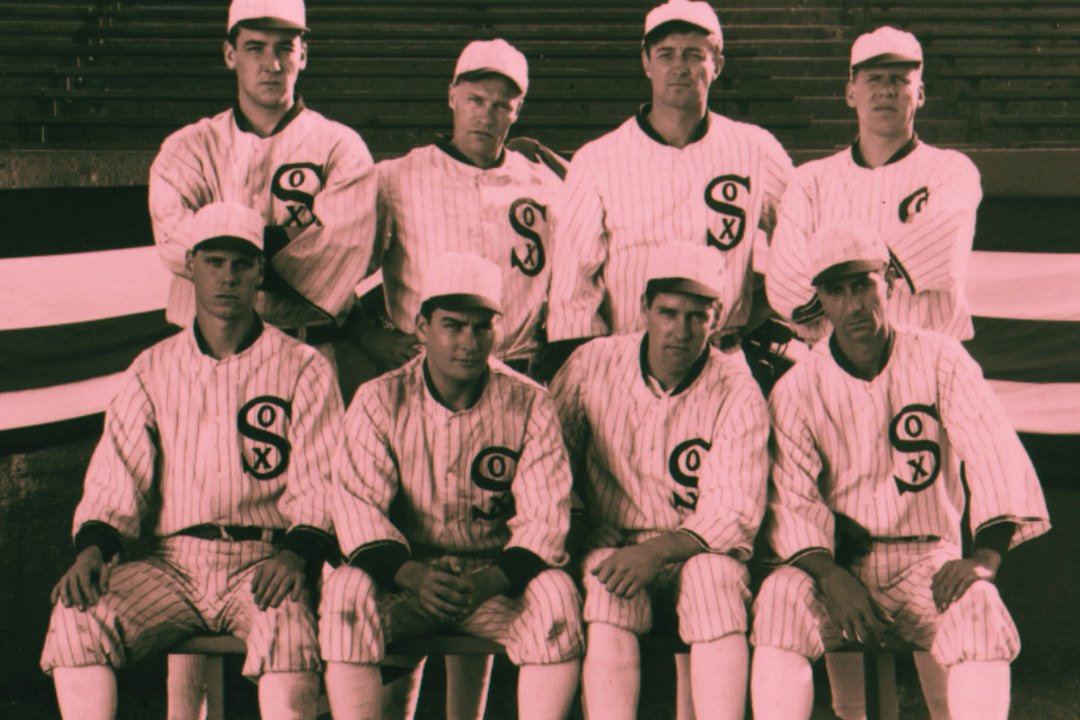
Based on Eliot Asinof’s book of the same name, the film depicts the Black Sox Scandal in which eight White Sox players conspired with gamblers and mobsters to throw the 1919 World Series. Watching it now feels less like revisiting history and more like walking through a workplace disaster in slow motion. Nothing dramatic or explosive, just a gradual rot that makes you realize you’ll never be good enough for your boss, so partnering with organized crime feels like a lateral career move.
A Gloriously Pathetic Conspiracy
It’s worth pointing out that The Society of Baseball Researchers have a literal website full of errors from both the book and movie. History aside, the story absolutely aches with bad decisions that seem practical at the time.
Infamous White Sox owner Charles Comiskey, played by iconic character actor Clifton James, isn’t portrayed as a theatrical villain. He’s far more menacing and relatable: a standard-issue asshole who doesn’t appreciate his employees. He watches “his” players win games, fill stadiums, and make him richer than God. And yet, Comiskey still pinches pennies. The Sox were “mythically underpaid”. Comiskey doesn’t even launder their dirty uniforms. It’s disrespectfully cheap in a “we value your contributions, here’s a bag of oranges!” kind of way. (This happened to me! For a holiday bonus, my then-school district offered us either a turkey or a five-pound bag of oranges. This felt… insulting?)
So when shady gamblers come a’courtin’ with envelopes of cash, Eight Men Out doesn’t frame it as BEHOLD, TEMPTATION! Cue the scary organ and theremin music! Rather, it’s more like someone offering a competitive salary with killer benefits. The conspiracy itself is gloriously pathetic in a human-trying-their-best way. There are no criminal mastermind ballplayers here, just a bunch of dudes having uncomfortable conversations. They joke around, complain about money, have families, and slowly, painfully realize that the system they once trusted kind of sucks ass. You can smell the whiskey-driven anxiety.
And the film just sits on that discomfort because this corruption doesn’t feel cinematic. The slow burn of a bad idea that no one shuts down lingers at the forefront.
Say It Ain’t So, They Will Now Go
At the center of it is third baseman Buck Weaver, played to oh shit guys, this is bad can we leave now? brilliance by real-life Chicagoan John Cusack. He doesn’t take money or throw games. Weaver knows what’s happening in real time and reacts the way most humans would in the face of a moral nightmare: he freezes like Windows 98 with a Limewire virus. The film lives in this liminal-ish space. No big speeches or moralizing. There’s not even a sweeping score to inflate your misplaced feelings of moral superiority.
The stage is set and the 1919 World Series starts. Chicago White Sox versus the Cincinnati Reds—Midwestern rumble timmmmeeeee! Everything feels off, just enough to make your skin crawl. Weird throws. Missed catches and easy opportunities. How could a team with such obvious streaks of incompetence win their pennant? They played more like the 2024 White Sox than the 1919 squad.
Eventually, the whole thing blows up because of course it does. People get suspicious and children get upset. The infamous, apocryphal “Say it ain’t so, Joe” line lands with utter heartbreak. Another terrific character actor, John Anderson, plays baseball’s newly-minted hall monitor/commissioner Kennesaw Mountain Landis. A trial happens at the speed of art. Landis takes one look at this situation and goes full divine-yet-bureaucratic judgment: All eight players who knew about the conspiracy are banned from baseball.
For life! Gone. Baseball’s clean now. Everybody clapped.
Eight Men Out doesn’t treat this like justice or a travesty, but instead like a really intense HR meeting. The players’ lives get nuked. Major League Baseball and Landis get to claim they fixed the problem, and everyone moves on. It’s all too timeless.
Sliding into Catastrophe
What makes this film pop isn’t the infamous Black Sox scandal but the aching tenderness director John Sayles shows for the eight players implicated. No one woke up thinking, I’m gonna destroy baseball today!, but man, I hope I can pay rent and hopefully not get fucked over by my job again. They could stay loyal to a boss that treats them like machinery… or take money from literal mobsters… OR become whistleblowers and watch their lives explode like a piñata of consequences.
There’s no best-case scenario here. And this pre-free agency system doesn’t fail—it works exactly as designed, which might be a billion times worse.
Eight Men Out doesn’t feel like a crime story, although it technically is. Instead, Sayles delivers a unique baseball tragedy about how incredibly easy it is for normal folks to slide into catastrophe. Suddenly, the air goes dead and there’s no turning back. The eight players trudged through a broken system that simply nudged them into darker corners until the bad choices started looking better than the alternatives.