
Review: ‘Butthole Surfers: The Hole Truth And Nothing Butt’ kicks ass
2026 / Dir. Tom Stern
Rating: 4.5/5
Watch if you like: The Butthole Surfers, puppets smoking marijuana and listening to Joy Division, or Johnny Depp-inflicted trauma.
“I was so irresponsibly naked.” - Gibby Haynes, recalling literally bumrushing Nick Cave on stage
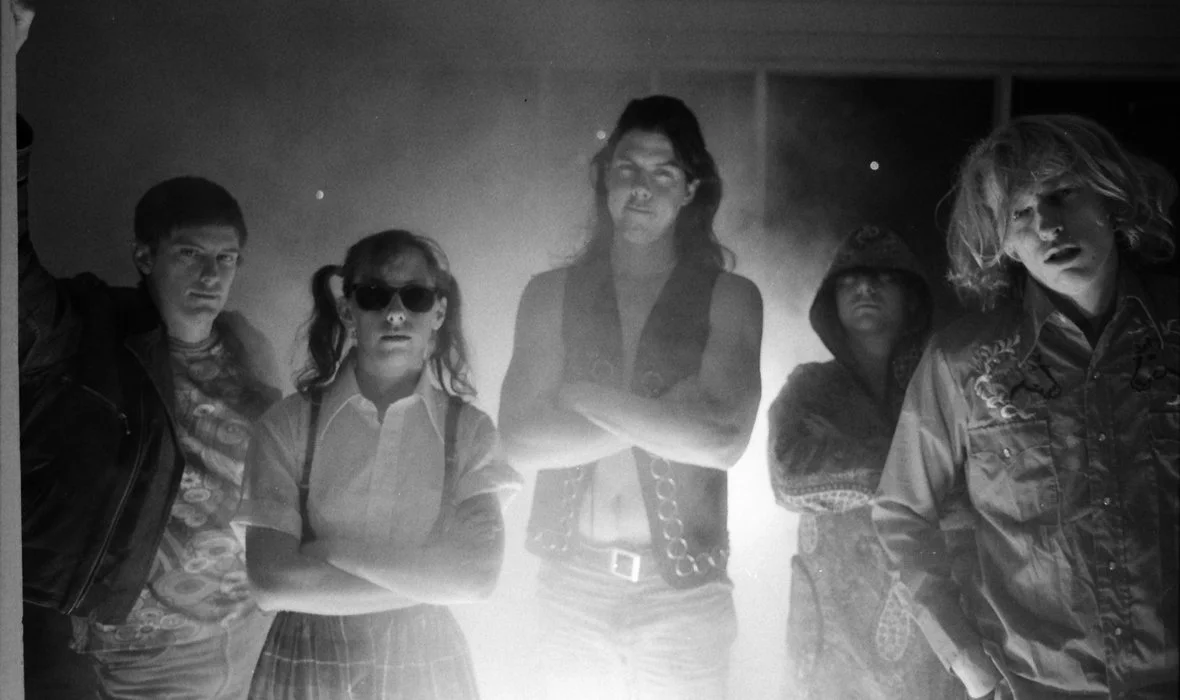
Tom Stern’s remarkable new documentary on cult noise-rock acid-trip group The Butthole Surfers is an exhilarating experience. Blowing up the usual “talking heads” retrospective, Stern pads brand-new interviews, archival footage, and reenactments with grotesque animation and even puppets. It’s a vision that feels true to the spirit of the band while getting underneath the layers of absurdity to the people behind one of the maddest bands in music’s history.
When I was first getting into punk and alternative music and learning about groups like Sonic Youth, Big Black, and the Meat Puppets, the Butthole Surfers seemed like they were from a distant galaxy. Seeing as how I’ve never been to Texas, for all I know they were. Their genre-melding noisy rock music seemed both deadly serious and an absurdist joke with depraved stories that were the stuff of legend. Having never had the chance to see them, I found it hard to believe they were even real. This is, after all, the band whose drummer, Teresa Nervosa, showed up in Slacker trying to hawk Madonna’s pap smear.
That’s why it may be most shocking, as we open The Hole Truth, to find guitarist Paul Leary riding through his neighborhood on a bicycle, now very much settled down and married, wearing a Kool-Aid man shirt, telling us over voiceover that this is the most normal he’s ever been in his life. And then, shortly thereafter, we’re treated to a puppet reenactment of Leary and Butthole Surfers previously maniacal, now dutiful father, looking lovingly into each other’s puppet eyes as they smoke marijuana and bond over “Love Will Tear Us Apart.”
Stern’s documentary carefully blends stylistic excesses that match the energy of the band’s wild early days with a dutifully crafted oral history that hits seemingly every major and minor moment, delivered at breakneck speed. Besides every member of the band, including a Spinal Tap array of bassists who are introduced by their number, an absurd amount of punk figures are represented, typically introduced with a side-by-side of their younger selves and rapidly integrated to create a continuous, often unreliable voice. A favorite of Stern’s editing tricks is to have one person tell a story—like how Gibby Haynes worked with Kid Rock—only to then jump to Gibby, or another member, who denies it ever happened, and then to someone else who has their own unique version.
Having so many people involved with this—Richard Linklater, Flea, Thurston Moore, Ian MacKaye, Steve Albini, Al Jourgensen, John Paul Jones, and even Johnny Depp—creates a complete portrait of the band that goes beyond the typical music doc, and it’s beyond remarkable. Again, Stern’s direction keeps things moving and consistently entertaining, even for someone unfamiliar with the band. That is, if you’re the type of person like me who will enjoy a grotesque photorealistic animation of a naked, demonic Gibby Haynes with a veil of clothespins terrorizing some punks who were trying to harass a drag queen.
Even more incredible is that a movie describing how guitarist Paul Leary gave legendary Led Zeppelin bassist John Paul Jones a “titty twister” before being punched in the face will make even a man with a heart of steel weep openly. As the interviews continue and the timeline draws closer to the present, Stern slows the breakneck pace to focus on each of the core members going through trauma, death, and rebirth. Drummer King Coffey struggles to get married to his boyfriend in a state where his marriage wasn’t recognized before he succumbs to a brain disease, while Teresa Nervosa loses her battle to end-stage lung disease. Leary deals with the guilt that his disapproving mother never got to see him become successful, dying before they would achieve breakthrough success with their song “Pepper,” his subsequent career as a producer for the likes of Sublime and U2, and falling in love and settling down. Haynes, in the emotional climax of the film, returns to his childhood neighborhood to confront the abuse he experienced at a young age.
By combining a thorough retelling of the band’s history with stylistic flourishes that match the band’s wild energy and get to the heart of who they are, then and now, Tom Stern has created a fantastic documentary that both fans and even the totally unfamiliar will enjoy. By the end, my only “complaint” was that I didn’t want to leave the world of the Butthole Surfers and wished there were hours more left in the runtime.